


Policy
Religious Freedom
Respecting human dignity requires that we respect the core elements of how people and groups identify themselves, including their religious beliefs. Religious belief has been a powerful motivation for protecting the rights and liberties of others; it kindled movements to abolish slavery and protect Americans’ civil rights. For millions of Americans, religion is the source of the values required in a free society, such as understanding, respect and sacrifice for others. Additionally, religious institutions provide irreplaceable care for the most vulnerable people in society.
For all of these reasons, the right to exercise religion is a fundamental human right. The law should respect the independence of religious institutions, defend the right of conscience, and protect the right of individuals to act on their religious beliefs, while establishing reasonable protections for public health and safety in a spirit of fairness for all.
Published Research


Conversations
-
 Religion doesn't need a permission slip from the government
-
 Religious freedom and conscience in higher education
-
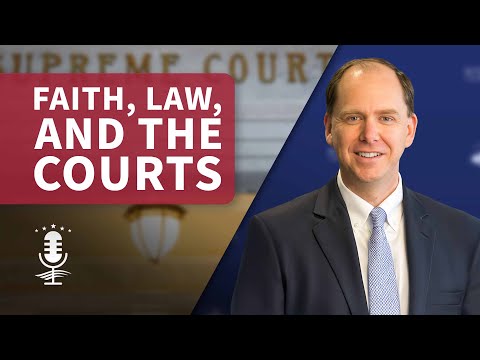 Religious freedom, courts, and federalism in Utah | Bill Duncan
-
 The benefit of religious contributions to society
-
 How facts help provide a more positive perception of religion
-
 How to persuade religious skeptics without preaching
-
 Advice to the younger generation on the benefits of religion
-
 Is religion good for society?
-
 The facts about religion in America
Insights & Takeaways
-

Religious Freedom 101: Establishing the aspiration of religious freedom in the United States
Read More: Religious Freedom 101: Establishing the aspiration of religious freedom in the United StatesReligious freedom has been a national aspiration from before the country was founded. Yet, just like the nation’s aspirations for racial equality and gender equality, our nation’s history shows uneven…
-

Religious groups’ brief explains why government shouldn’t be able to circumvent protections
Read More: Religious groups’ brief explains why government shouldn’t be able to circumvent protectionsThe government must carefully limit the scope of its regulation so that it advances that overwhelming interest without unnecessarily limiting valid exercises of the fundamental right.
-

Can Muslim man be forced to act as informant? Or does it abuse his religious freedom?
Read More: Can Muslim man be forced to act as informant? Or does it abuse his religious freedom?Religious freedom is not a narrow, partisan issue. Potential threats to this freedom come from many different administrations and cut across religious affiliations.
-

SCOTUS cases point to religious freedom issues that Congress should help decide
Read More: SCOTUS cases point to religious freedom issues that Congress should help decideCongress must play a larger role in protecting religious freedom while balancing the interests of others. This branch of government is better suited for balancing various interests than the Supreme…
-

Sutherland Institute launches new series: Religious Freedom 101
Read More: Sutherland Institute launches new series: Religious Freedom 101Sutherland Institute will be addressing questions about religious freedom in detail with a series called Religious Freedom 101.
-

Faith-based organizations help the vulnerable — give them room to do it
Read More: Faith-based organizations help the vulnerable — give them room to do itThe most important religious liberty question, though, is the most basic: Can the federal government expand the original — stingy — religious exemptions to make them more expansive so religiously…
