


Policy
Religious Freedom
Respecting human dignity requires that we respect the core elements of how people and groups identify themselves, including their religious beliefs. Religious belief has been a powerful motivation for protecting the rights and liberties of others; it kindled movements to abolish slavery and protect Americans’ civil rights. For millions of Americans, religion is the source of the values required in a free society, such as understanding, respect and sacrifice for others. Additionally, religious institutions provide irreplaceable care for the most vulnerable people in society.
For all of these reasons, the right to exercise religion is a fundamental human right. The law should respect the independence of religious institutions, defend the right of conscience, and protect the right of individuals to act on their religious beliefs, while establishing reasonable protections for public health and safety in a spirit of fairness for all.
Published Research


Conversations
-
 Religion doesn't need a permission slip from the government
-
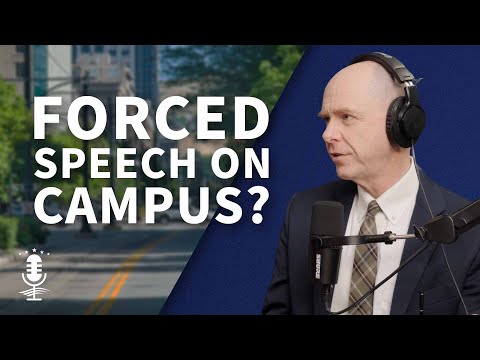 Religious freedom and conscience in higher education
-
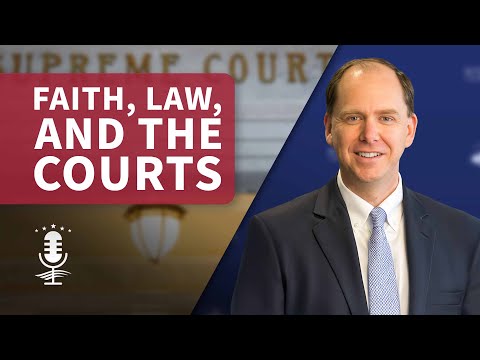 Religious freedom, courts, and federalism in Utah | Bill Duncan
-
 The benefit of religious contributions to society
-
 How facts help provide a more positive perception of religion
-
 How to persuade religious skeptics without preaching
-
 Advice to the younger generation on the benefits of religion
-
 Is religion good for society?
-
 The facts about religion in America
Insights & Takeaways
-

Potential SCOTUS case could protect supporters of unpopular causes from retribution
Read More: Potential SCOTUS case could protect supporters of unpopular causes from retributionThis is an important case with the potential to clarify whether a state can, like Alabama tried to do in the 1950s, create a climate where supporters of private associations…
-

Religious Freedom 101: From Washington to WWII, the ups and downs
Read More: Religious Freedom 101: From Washington to WWII, the ups and downsWhile the roughly 140-year period between the enactment of the First Amendment and World War II was often a dark and difficult time for the aspiration of religious freedom, all…
-

Tax benefit in bill will help religious charities mitigate coronavirus crisis
Read More: Tax benefit in bill will help religious charities mitigate coronavirus crisisThe coronavirus aid bill recently passed by Congress and signed by President Trump includes some important provisions that reflect the importance of religious and other private charitable endeavors at times…
-

Can the government order churches to close without violating the First Amendment?
Read More: Can the government order churches to close without violating the First Amendment?Questions are being asked, however, about the extent of the state’s ability to direct churches to close in the event of an emergency like the current worldwide pandemic.
-

COVID-19 concerns have a rare impact on Supreme Court – but its work still goes on
Read More: COVID-19 concerns have a rare impact on Supreme Court – but its work still goes onThe postponement of oral arguments may slow up some cases, but the justices still have plenty to do in the absence of these arguments, and there is no reason to…
-

Peaceful multiculturalism is far better than ‘tolerance,’ say Azerbaijani leaders
Read More: Peaceful multiculturalism is far better than ‘tolerance,’ say Azerbaijani leadersThe government panelists disavowed the ideal of tolerance, preferring multiculturalism, which they described as more expansive – actively appreciating those with other beliefs. Muslims, Jews and Christians have coexisted in…
