


Policy
Religious Freedom
Respecting human dignity requires that we respect the core elements of how people and groups identify themselves, including their religious beliefs. Religious belief has been a powerful motivation for protecting the rights and liberties of others; it kindled movements to abolish slavery and protect Americans’ civil rights. For millions of Americans, religion is the source of the values required in a free society, such as understanding, respect and sacrifice for others. Additionally, religious institutions provide irreplaceable care for the most vulnerable people in society.
For all of these reasons, the right to exercise religion is a fundamental human right. The law should respect the independence of religious institutions, defend the right of conscience, and protect the right of individuals to act on their religious beliefs, while establishing reasonable protections for public health and safety in a spirit of fairness for all.
Published Research


Conversations
-
 Religion doesn't need a permission slip from the government
-
 Religious freedom and conscience in higher education
-
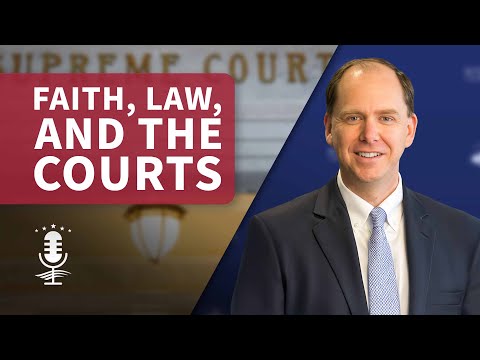 Religious freedom, courts, and federalism in Utah | Bill Duncan
-
 The benefit of religious contributions to society
-
 How facts help provide a more positive perception of religion
-
 How to persuade religious skeptics without preaching
-
 Advice to the younger generation on the benefits of religion
-
 Is religion good for society?
-
 The facts about religion in America
Insights & Takeaways
-

 Insights
Ruling on teacher’s firing shows how clear laws could help keep religious entities out of court
Read More: Ruling on teacher’s firing shows how clear laws could help keep religious entities out of courtAppeals court cites “ministerial exception” in a dispute between a former teacher and a Catholic high school in North Carolina.
-

 Takeaways
Do religious individuals benefit the greater community?
Read More: Do religious individuals benefit the greater community?People of faith believe they are accountable to God and have a religious duty to care for others. Studies show our communities are best served when we let them.
-
 Insights
Religious freedom requires access to abortion? Maybe not
Read More: Religious freedom requires access to abortion? Maybe notAn Indiana appeals court gave initial acceptance to the argument in a case where plaintiffs argue that their religious beliefs require abortion in unusual circumstances.
-

 Commentary
Why religion is good for society
Read More: Why religion is good for societyReligion fills essential roles that do tremendous good for individuals, families and communities — and it is worthy of support from voters and policymakers.
-

 Report
Religious Contributions to Serving the Vulnerable: Social Benefits of Religion, Volume 1
Read More: Religious Contributions to Serving the Vulnerable: Social Benefits of Religion, Volume 1Policymakers can benefit from understanding the unique social benefits of religious belief and practice. The valuable social and economic contributions of religion-based organizations can easily be undermined by regulatory burdens.
-
 Insights
School choice case: Unpopular doesn’t mean unconstitutional
Read More: School choice case: Unpopular doesn’t mean unconstitutionalIn a California case, the family of a boy with autism that chose a Jewish school is challenging state’s refusal of educational services it would offer if the child were…
